


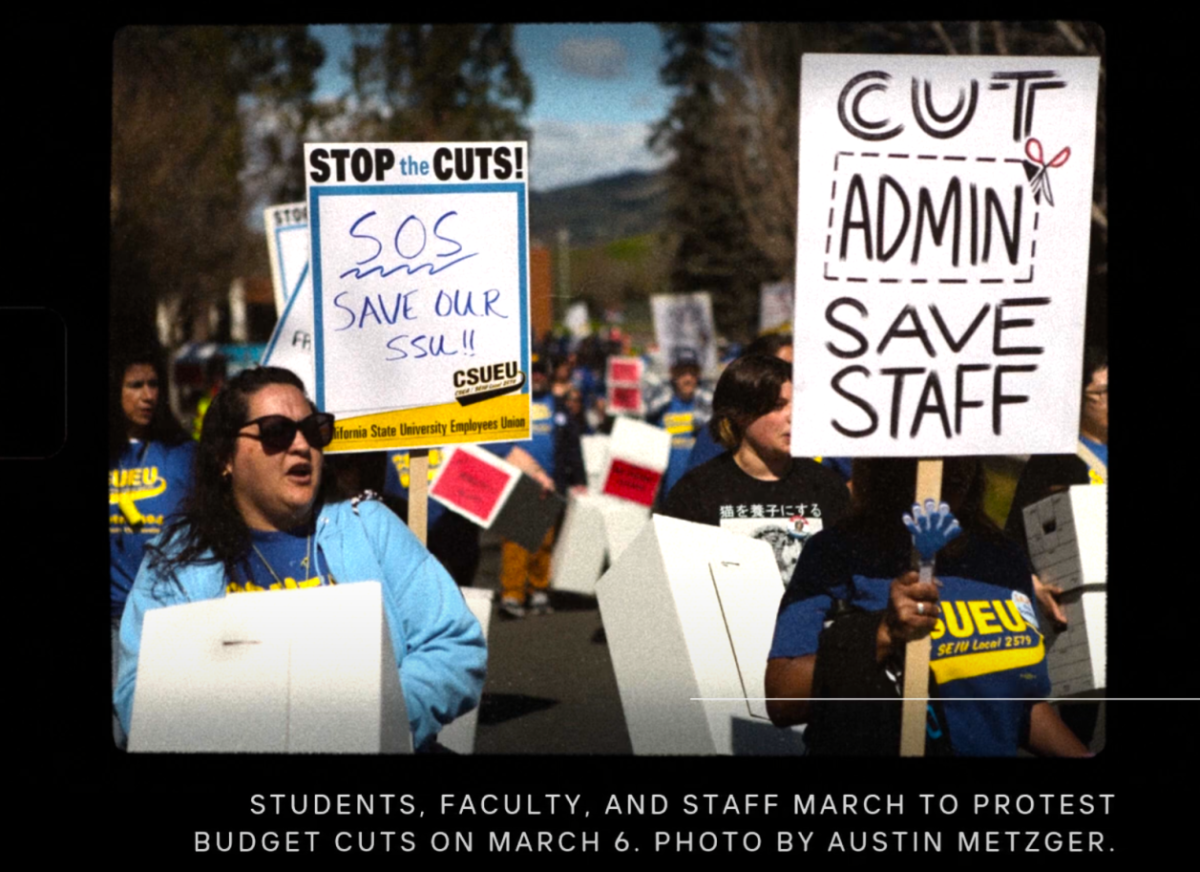



As Sonoma State University continues navigating recent financial challenges, university leaders say stabilizing enrollment is only one part of a longer process toward financial recovery.
Enrollment trends play a major role in determining how much funding the university receives, but increases in student numbers do not always translate into immediate changes to programs, staffing, or campus services. Rebuilding resources after years of enrollment decline requires long-term planning and sustained growth
According to university officials, enrollment stabilization refers to the process of maintaining or gradually increasing the number of students attending the university over time.
Because enrollment directly affects tuition revenue and overall institutional planning, universities monitor multiple indicators such as new student enrollment, retention of continuing students, and overall headcount trends.
Stabilization does not occur in a single year, administrators say. Instead, universities typically look for several consecutive years in which enrollment levels stop declining and begin to level off.
Paul Edwards, interim vice president for Strategic Enrollment Management, said reaching stability first is an important step after several years of disruption.
“We’ve had a lot going on for so long-COVID, leadership changes, and budget cuts,” Edwards said. “The first step is getting some stability in place before you can begin rebuilding.”
Enrollment planning at universities often takes place years in advance. Administrators must forecast how many current students will graduate, how many new students will enroll, and how those numbers will affect resources across campus.
Those projections help guide decisions about budgets, staffing levels, and academic programs. But even if enrollment begins to increase, universities typically wait to see whether that trend continues before committing new long-term funding.
“One-year enrollment changes don’t immediately translate into budget changes because universities operate on multi-year planning cycles,” Edwards said. “Institutions usually need to see those trends sustained for a few years before making major financial commitments.”
That cautious approach reflects the long-term nature of many campus investments. Academic programs, student services, and permanent staff positions require ongoing funding for salaries, facilities, and program operations.
Because of those long-term commitments, universities must be confident that enrollment growth will continue before expanding programs or restoring positions that may have been reduced during budget cuts.
“Hiring permanent positions or rebuilding programs requires a sustained budget commitment,” Edwards said. “Universities need confidence that enrollment improvements will last before making those kinds of decisions.”
Financial planning at public universities is also influenced by additional factors beyond enrollment alone. State budget cycles, fundraising efforts, alumni support, and infrastructure needs all play roles in determining how quickly institutions can rebuild programs.
In some cases, universities must balance restoring academic offerings with other long-term priorities such as facility maintenance or investments in student retention.
Edwards said students should view enrollment stabilizations as the first step in a longer recovery process rather than an immediate solution to recent budget reductions.
While future enrollment growth may strengthen the university’s financial position over time, he said rebuilding programs and resources will depend on sustained stability across multiple years.

