

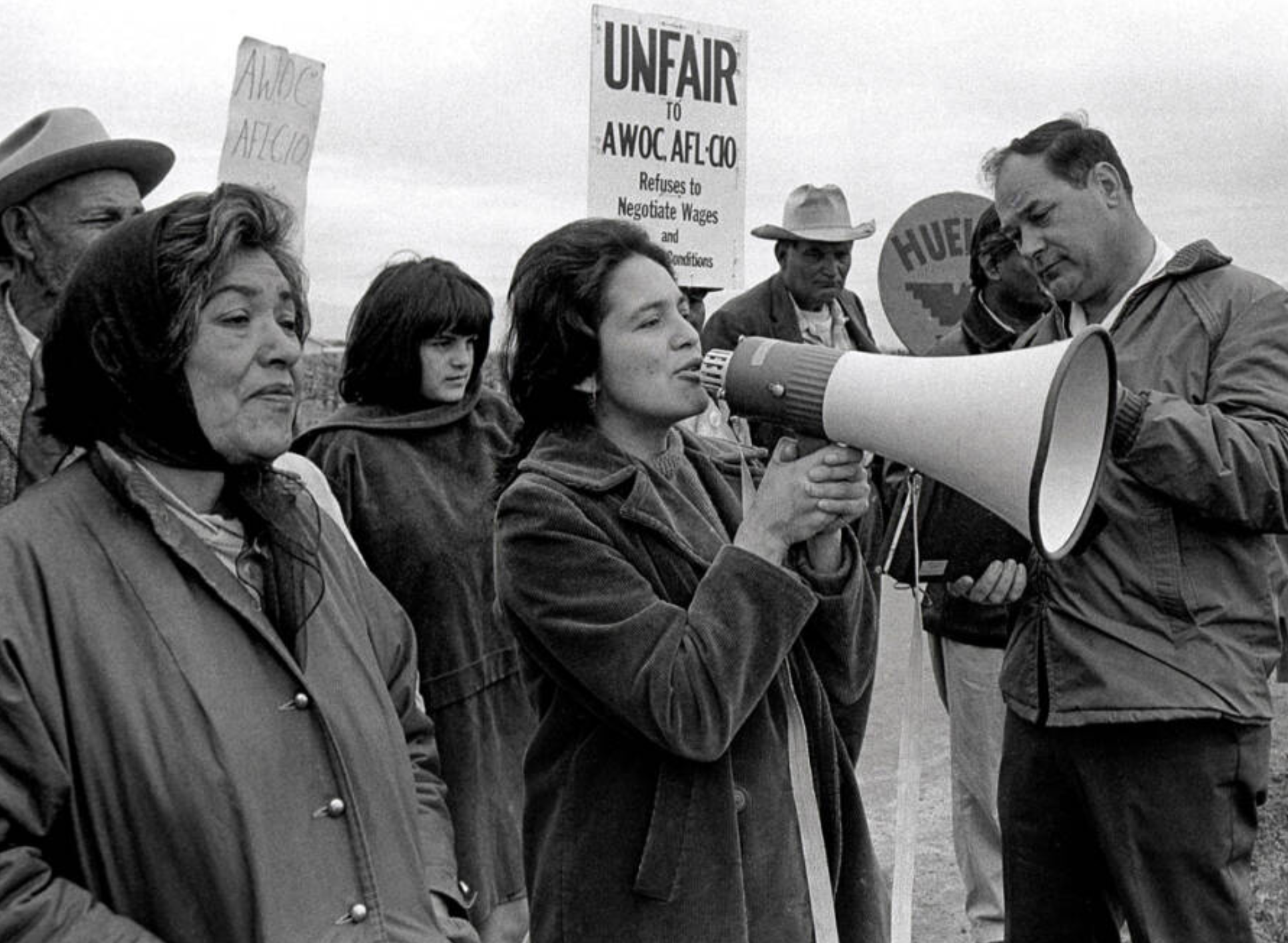
Farmworker’s day, which was formerly known as Cesar Chavez day, honors the work done by activists of the United Farm Workers (UFW).
The change in name follows recent allegations involving one of the movement’s founders, Cesar Chavez, who along with Dolores Huerta, Gilbert Padilla, founded the UFW.
Recently, Chavez has faced controversy after many women, Huerta included, reveled the sexual abuse that Chavez had done to them over the years. In Hureta’s case, this led to two pregnancies that she has kept secret for over 60 years, only just now revealing the truth.
All this occurred this month, which happens to also be Women’s History Month. With that in mind, we at the Star felt it was important to highlight the work done by women like Dolores Huerta and others in the fight for labor and civil rights.
For Dolores Huerta, her history of activism begins from childhood. Growing up with a single mother in a farming community in Stockton, California, in the 1930s, Hureta faced firsthand the struggles of both women and migrant workers. This led to her in the 1950’s founding the Stockton chapter of Latino civil rights Community Service Organization.
From there, she would work alongside other activists fighting for the rights of migrant workers and Latino women, eventually becoming one of the co-founders of what would become UFW. She served with them until 1999, during her time leading strikes and boycotts that lead to contracts and protections of farm workers.
During her time she also coined the motto “Sí, se puede”, meaning “Yes, you can.” This motto became popular in the movement and beyond, with an English version of it being used during former president Barack Obama’s presidential campaign.
Huerta stayed quite about her sexual abuse due to not wanting to put a bad name on the movement as a whole. It is emblematic of the still patriarchal and dominating control men have in Western society.
Here at Sonoma State, with the recent removal of the Cesar Chavez mural, we have to ask, where is the dedication and remembrance to women on this campus?
The Seawolf is from author Jack London, Darwin hall is named after Charles Darwin, Schulz Library after Charles Schulz, and that is just a few examples of the different places and landmarks on this campus named after men. While the accomplishments of these men should be acknowledged, the lack of representation and remembrance to important women of history on our campus is painful. Especially with the loss of Women and Gender Studies during the budget cuts last semester.
With that, we at the Star urge us to consider giving more permanent and lasting dedications to women, like Dolore Hureta and many others, so they don’t just get one month out of the year to be remembered, and to have their voices heard.


