





As Sonoma State University begins a new chapter under President Michael Spagna, faculty across campus say they are paying close attention to how new leadership will guide the university following a year marked by financial strain and institutional change.
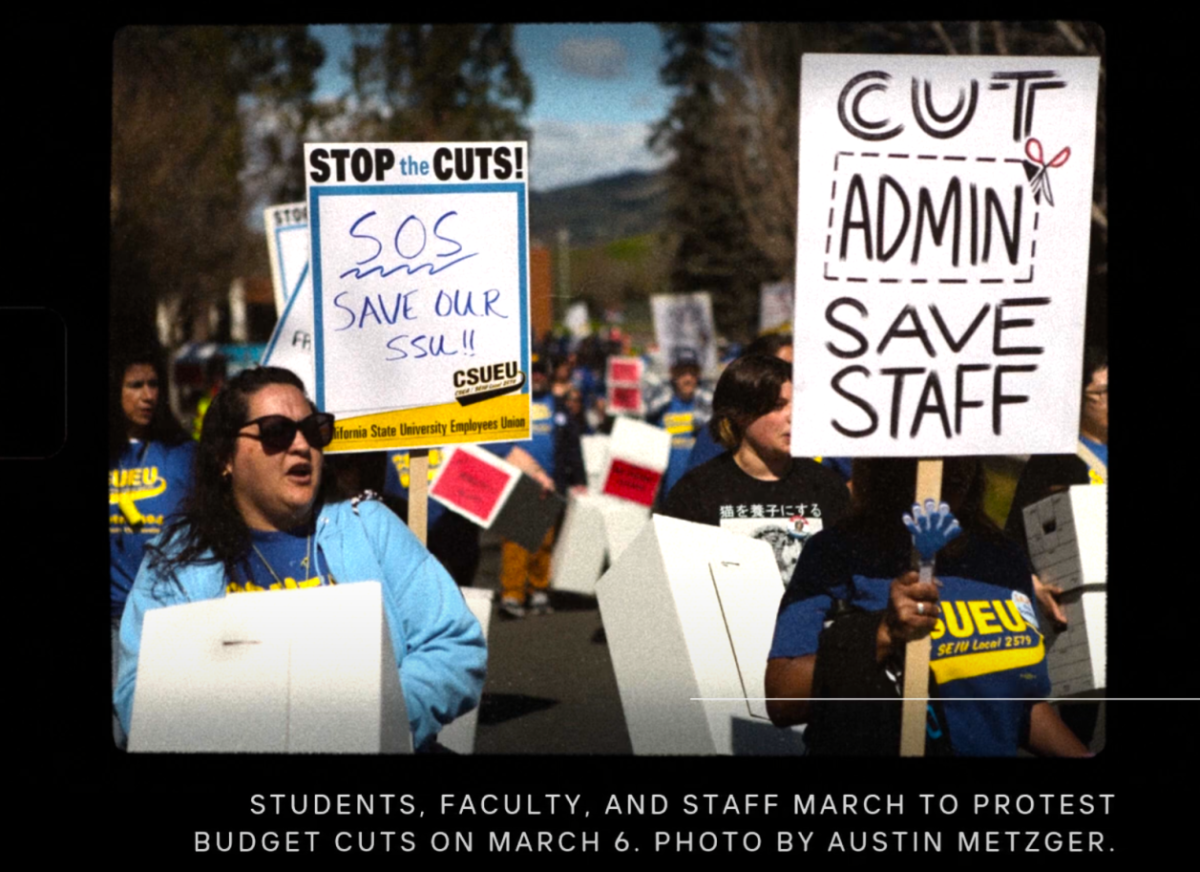
Spagna officially stepped into the presidency earlier this semester, arriving at a time when the university is focused on stabilizing enrollment, rebuilding academic capacity, and restoring confidence following program reductions and staffing changes.
With faculty members saying it is still too early in his presidency, many describe a campus that is cautiously optimistic and attentive to what comes next. Some professors emphasized that their expectations are still forming, noting that many have not yet interacted directly with the new president.
Lecturer Ianthe Swenson said that while she does not yet have personal experience working with Spagna, initial impressions around campus have been encouraging.
“I don’t know the new president; however, what I have heard is very good,” Swenson said.
Swenson’s comments reflect a broader sentiment among some faculty who say they are still observing how the new administration will take shape.
With the semester underway and leadership priorities beginning to emerge, several professors described a period of waiting and watching rather than immediate evaluation.
Professor Targett similarly emphasized patience and long-term observation, pointing to the university’s shared investment in its future.
“The SSU community shares a deep commitment to seeing this university grow and thrive,” Targett said. “I look forward to learning more about President Spagna’s priorities through the actions he chooses to take going forward.”
Both faculty responses suggest that expectations are being shaped less by early statements and more by future decisions. Rather than focusing on immediate changes, professors indicated that they are interested in how leadership priorities will be reflected over time.
While faculty perspectives vary, the comments highlight a cautious and measured approach as the campus adjusts to new leadership. With limited direct engagement so far, impressions remain tentative, grounded more in general sentiment than personal experience.
As the semester continues, faculty members say their views are likely to evolve as they see how leadership decisions affect the university and its direction.
For now, early reactions point to a willingness to remain open-minded, paired with an expectation that actions will ultimately define the administration’s priorities.

